

Painting can be a practical career for people who enjoy hands-on work, improving properties, and developing trade skills. Professional painters work on everything from residential homes and commercial buildings to renovation projects and new constructions. However, one question often comes up for people considering this profession: How much do painters make?
A painter's income depends on several factors, including experience, location, qualifications, the type of painting work they perform, and whether they work for an employer or operate their own business.
In New Zealand, painters commonly earn around $24 to $36 per hour, according to government career information. Experienced painters and specialists may earn more, depending on their skills and the projects they undertake.
This guide explains average painter salaries, hourly earnings, differences between experience levels, factors that influence pay, and practical ways to increase earning potential.
How Much Do Painters Make in New Zealand?

Painters in New Zealand can earn different amounts depending on their experience, responsibilities, and employment arrangements.
According to Tahatū Career Navigator, the most common hourly pay range for painters and decorators is approximately $24 to $36, with an upper range reaching around $45 per hour. The information also gives an approximate national average of $34 per hour, or $70,000 annually.
These figures are indicative rather than guaranteed salaries. Actual earnings depend on the employer, location, workload, and individual experience.
Average Painter Pay at a Glance
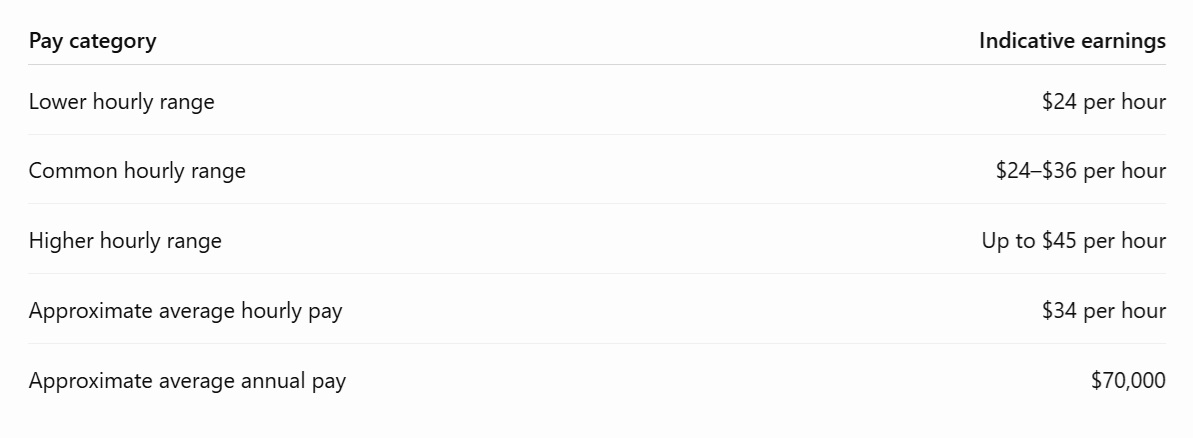
These are New Zealand figures and represent gross earnings before tax.
How Much Does a Painter Earn Per Year?
Annual earnings depend on the number of hours worked and whether employment is consistent throughout the year.
For example, a painter earning $34 per hour and working 40 hours per week could earn:
Weekly: $1,360
Monthly average: Approximately $5,893
Annually: $70,720
This calculation assumes 40 paid hours every week for 52 weeks. It does not account for unpaid leave, periods without work, overtime, bonuses, or deductions.
A painter working fewer hours may earn less, while someone regularly working additional hours may earn more.
How Much Do Painters Make Per Hour?
Hourly wages are one of the easiest ways to compare painting jobs. However, the rate varies depending on the painter's experience, skills, and responsibilities.
Here is an illustrative breakdown of possible hourly earnings:
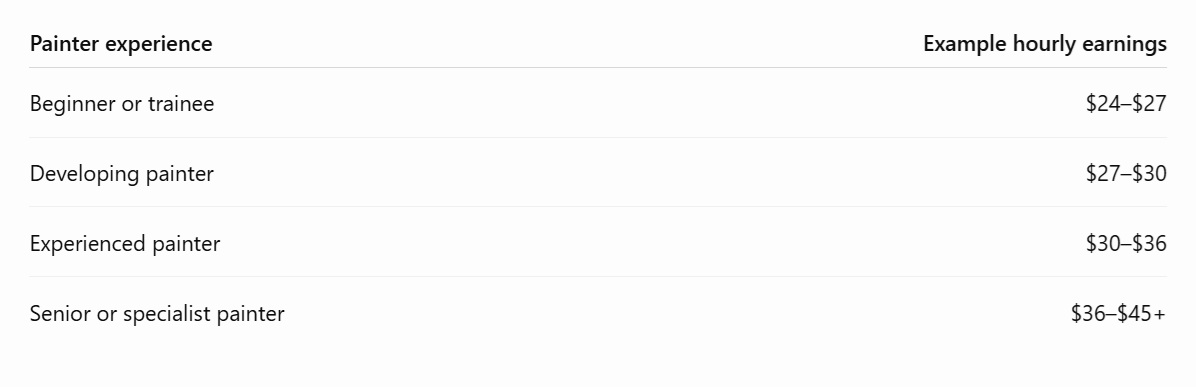
These are indicative examples, not official salary bands. Employers may offer different rates depending on the position and location.
1. Beginner Painters
People entering the painting industry often start with basic preparation and assistance tasks.
Their responsibilities may include:
Cleaning and preparing surfaces.
Sanding walls, doors, and other materials.
Covering furniture and flooring.
Mixing paint and preparing equipment.
Helping experienced painters complete projects.
Beginners usually earn less because they are still developing practical skills and learning professional techniques.
2. Experienced Painters
Experienced painters generally earn more because they can complete projects independently and manage more complicated work.
Their skills may include:
Preparing damaged or uneven surfaces.
Applying primers and different paint finishes.
Completing interior and exterior painting.
Using brushes, rollers, and spray equipment.
Maintaining consistent finishes.
Managing project timelines.
Employers often value painters who can work efficiently without sacrificing quality.
3. Senior and Specialist Painters
Senior painters may take responsibility for larger projects, supervise other workers, or specialise in particular types of painting.
Specialist work can include:
Commercial painting.
Industrial coatings.
Decorative finishes.
Spray painting.
Wallpaper installation.
Complex exterior restoration.
Higher earnings are possible when painters develop skills that are in demand and difficult to replace.
How Much Do House Painters Make Compared With Other Painters?
Not all painting jobs involve the same responsibilities. Residential, commercial, and industrial painters may work in different environments and require different skills.
Understanding these differences can help people decide which area of the industry suits their interests and career goals.
Residential House Painters
House painters work on private homes, apartments, renovations, and new residential properties.
Typical responsibilities include:
Interior wall and ceiling painting.
Exterior house painting.
Painting doors, windows, and trims.
Preparing surfaces before painting.
Repairing minor surface imperfections.
Applying protective coatings.
Residential painting offers opportunities to develop a broad range of practical skills. Experienced painters who deliver consistent finishes may progress into supervisory or self-employed roles.
Commercial Painters
Commercial painters work on offices, retail spaces, schools, warehouses, and other business properties.
Their work may involve larger surfaces, different materials, and more detailed project planning.
Commercial projects sometimes require working outside normal business hours to minimise disruption to customers and employees.
Industrial Painters
Industrial painters apply protective coatings to structures, machinery, metal surfaces, and industrial facilities.
Some roles require specialist training, equipment knowledge, and strict safety procedures.
Because of the additional technical requirements, certain industrial painting positions may offer higher pay than general residential work. However, earnings depend on the employer, project, and qualifications.
What Factors Affect How Much Painters Make?
Several factors influence how much a painter earns. Two people doing similar work may receive different wages because their experience, responsibilities, and employment conditions are not identical.
1. Experience and Practical Skills
Experience is one of the most important factors affecting earning potential.
A beginner may need supervision for surface preparation and paint application. An experienced painter can often complete these tasks independently and identify potential problems before they become expensive.
Skills such as accurate cutting-in, smooth finishes, colour matching, and surface repairs can improve a painter's value to an employer.
2. Location
Where a painter works can influence their income.
Pay rates may differ between cities and regions because of:
Local demand for painting services.
Construction and renovation activity.
Living costs.
Availability of experienced tradespeople.
Competition between employers.
For example, advertised painting jobs in Queenstown, Christchurch, and the Bay of Plenty may offer different hourly rates depending on the role and experience required.
3. Qualifications and Training
Formal training can help painters build confidence, understand industry practices, and improve their employment opportunities.
Training may cover:
Surface preparation.
Paint and coating selection.
Application methods.
Workplace safety.
Equipment handling.
Professional finishing techniques.
Qualifications do not automatically guarantee higher wages, but relevant training can help demonstrate professional ability.
4. Type of Painting Work
The type of work also affects earnings.
For example, painting a standard interior wall may require different skills and preparation from restoring an older exterior property or applying specialist protective coatings.
Painters who develop expertise in specialised work may have access to different employment opportunities.
5. Employment Type
A painter's income can vary depending on how they work.
Employed painters: Usually receive an agreed hourly wage or salary. Their employer may provide tools, equipment, materials, and a regular schedule.
Contract painters: Usually agree to complete specific jobs or provide services under a contract. Their income depends on the work secured, agreed payment, and business expenses.
Self-employed painters: Set their own prices and manage customers, projects, supplies, and operating costs. They may have greater control over their income but also carry additional financial responsibilities.
How Much Can Self-Employed Painters Make?

Running a painting business can create opportunities to earn more than working as an employee. However, it is important to understand the difference between business revenue and personal income.
A self-employed painter may charge customers based on hourly rates, project size, surface area, or the complexity of the work.
For example, imagine a painting contractor completes several projects and generates $10,000 in monthly revenue.
That amount is not their personal earnings. They may still need to pay for:
Paint and other materials.
Equipment and maintenance.
Vehicle and fuel expenses.
Insurance.
Advertising and customer enquiries.
Accounting and administration.
Employee wages, if applicable.
Taxes and other business obligations.
The remaining amount after business expenses is the business profit before applicable taxes and owner drawings.
Employee vs Self-Employed Painter
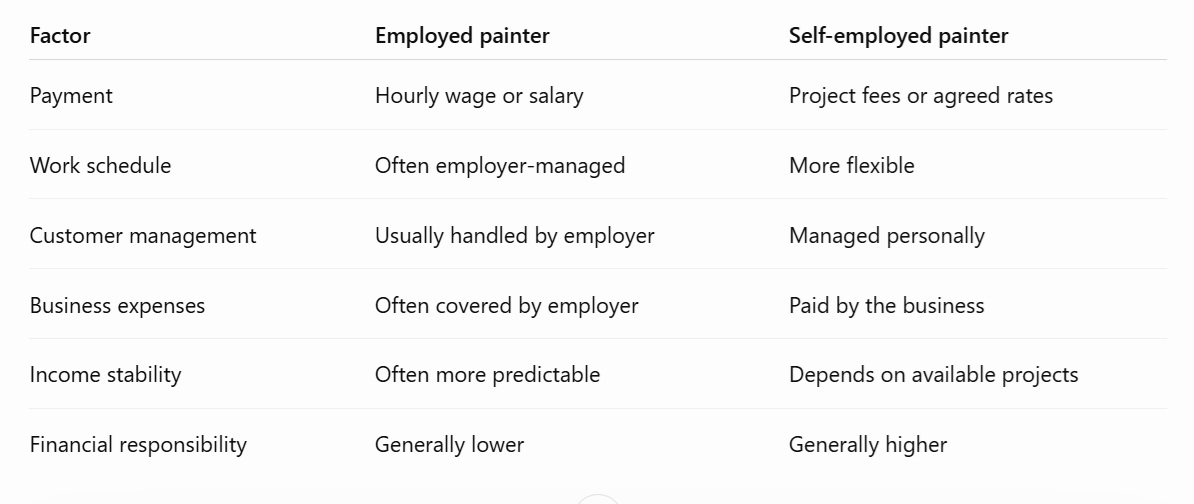
Self-employment may suit painters who have strong technical skills, understand business costs, and can manage customer relationships.
However, it is not automatically more profitable than employment.
How Can Painters Increase Their Earnings?
Painters who want to improve their income should focus on developing useful skills, building experience, and finding opportunities to take on greater responsibilities.
Here are some practical ways to increase earning potential.
1. Improve Surface Preparation Skills
Surface preparation is an important part of professional painting.
Poor preparation can lead to peeling, uneven finishes, and premature paint failure. Learning how to clean, sand, repair, prime, and prepare different surfaces can improve the quality of the finished work.
2. Learn Different Painting Techniques
Do not limit your skills to basic wall painting.
Consider learning:
Spray painting.
Wallpaper installation.
Decorative finishes.
Timber staining.
Exterior coating systems.
Detailed trim and door painting.
Additional skills may help you qualify for a wider range of projects.
3. Gain Relevant Qualifications
Look into painting and decorating training opportunities in New Zealand.
Structured training can help you understand professional standards, improve your practical knowledge, and build a foundation for career progression.
4. Develop Good Time Management
Painting projects often involve several stages, including preparation, priming, painting, drying, and finishing.
Organising these tasks properly can reduce unnecessary delays and help painters complete projects efficiently.
Good time management is particularly important for contractors who are responsible for project costs and deadlines.
5. Build a Strong Work Portfolio
A portfolio can demonstrate the quality and variety of your work.
Consider keeping photographs of completed projects, including:
Interior painting.
Exterior repaints.
Renovation projects.
Detailed finishing work.
Wallpaper installations.
Always obtain the property owner's permission before publishing project photographs.
6. Consider Supervisory Responsibilities
Experienced painters may progress into team leader, supervisor, or project management positions.
These roles can involve:
Coordinating painting teams.
Organising materials.
Monitoring workmanship.
Communicating with customers.
Managing project schedules.
Developing leadership and communication skills can open additional career opportunities.
What Does a Typical Painting Job Involve?
Understanding the daily responsibilities of a painter can help explain why earnings vary across the industry.
Although tasks differ between projects, most professional painting jobs involve several stages.
Step 1: Inspecting the Surface
Before painting begins, the painter checks the condition of the walls, ceilings, timber, or exterior materials.
They look for cracks, peeling paint, stains, moisture damage, and other issues that could affect the finished result.
Step 2: Preparing the Area
Preparation may involve moving or covering furniture, protecting floors, cleaning surfaces, sanding rough areas, and repairing minor imperfections.
Good preparation helps paint adhere properly and produces a more even finish.
Step 3: Applying Primer
Primer is a preparatory coating used to improve adhesion, provide a more consistent surface, or help cover stains and previous colours.
Not every surface requires the same primer, so the correct product should be selected for the material and paint system.
Step 4: Applying Paint
Painters use brushes, rollers, or spray equipment depending on the surface and project requirements.
They may apply multiple coats to achieve suitable coverage and an even appearance.
Step 5: Final Inspection
After the paint has dried sufficiently, the painter checks the finished work.
They look for missed areas, uneven coverage, drips, rough edges, and other visible imperfections before completing the job.
Common Mistakes That Can Affect a Painter's Earnings
Making mistakes can reduce productivity, damage a painter's reputation, and create additional expenses.
Here are some common issues worth avoiding.
Underestimating Preparation Time
Some inexperienced painters focus mainly on applying paint and underestimate the time needed to prepare surfaces.
This can lead to rushed work and poor finishes. Always assess the surface condition before estimating how long a project will take.
Charging Too Little for Work
Self-employed painters sometimes set prices too low because they consider only the time spent painting.
A proper quote should account for preparation, materials, equipment, travel, overheads, and the time required to complete the entire project.
Ignoring Safety Procedures
Painting can involve ladders, scaffolding, dust, chemical products, and working at height.
Ignoring appropriate safety procedures can cause injuries, delays, and additional costs. Follow product instructions and applicable workplace safety requirements.
Not Keeping Accurate Records
Painters operating their own businesses should record income, expenses, materials, and customer payments.
Accurate records help them understand whether projects are profitable and make better financial decisions.
Failing to Communicate With Customers
Misunderstandings about colours, finishes, preparation, and project timelines can create disputes.
Discuss expectations before work begins and document important agreements in writing.
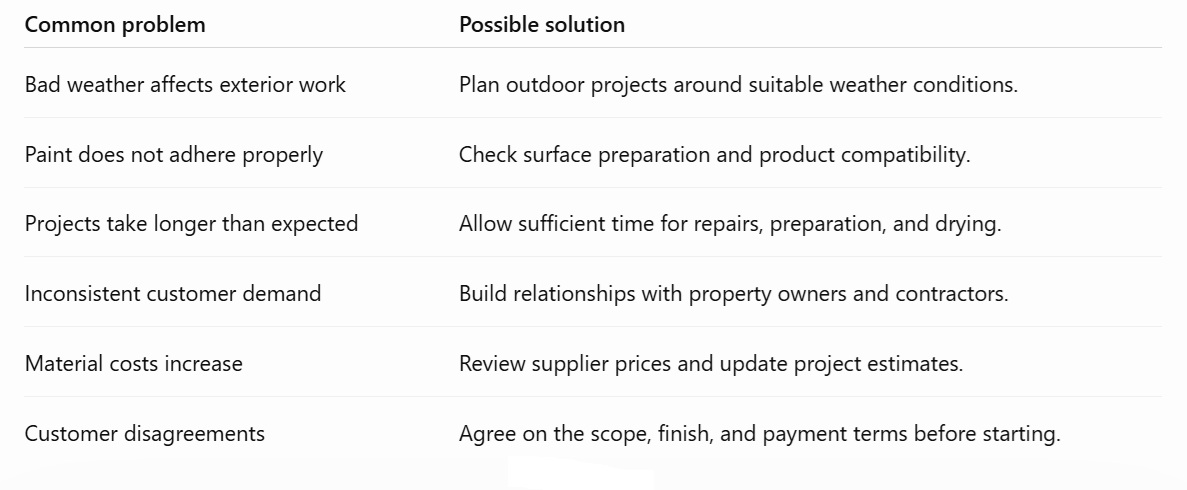
Problems Painters May Face and How to Handle Them
Painting is a skilled trade, but it also comes with practical challenges that can affect working hours and income.
Does Weather Affect a Painter's Income?
Yes. Weather can affect painters who mainly complete exterior projects.
Rain, high humidity, strong winds, and unsuitable temperatures can interfere with surface preparation and paint application.
When outdoor work is delayed, contractors may need to reschedule projects or move workers to interior jobs.
Developing a mix of interior and exterior painting skills can help painters manage changing work conditions.
Is Painting a Good Career Choice?
Painting can be a worthwhile career for people who enjoy practical work and want to develop a trade skill.
However, it is important to understand both the advantages and challenges before entering the industry.
Advantages of Becoming a Painter
Opportunities to work in residential and commercial environments.
Practical skills that can develop with experience.
Different specialisation options.
Opportunities for self-employment.
Potential progression into supervisory roles.
Visible results from completed projects.
Challenges of Working as a Painter
Physically demanding tasks.
Regular standing, bending, lifting, and reaching.
Working at heights on some projects.
Exposure to dust, paint products, and other workplace hazards.
Weather-related delays for exterior projects.
Variable workloads for some contractors.
Painting may be a good fit for people who are patient, detail-oriented, comfortable with physical work, and willing to learn.
What Should You Check Before Accepting a Painting Job?
If you are applying for a painting position, do not focus only on the advertised hourly rate.
Compare the complete employment conditions to understand the actual value of the opportunity.
Consider checking:
Hourly wage: Is the rate appropriate for your experience and responsibilities?
Guaranteed hours: How many hours are available each week?
Overtime: How is additional work paid?
Tools and equipment: Does the employer supply the necessary equipment?
Travel: Are travel time or transport costs covered?
Training: Are there opportunities to develop new skills?
Employment agreement: Are your working conditions and entitlements clearly explained?
Safety: Does the employer provide suitable equipment and safe working procedures?
In New Zealand, employees should also check current employment rights and minimum wage requirements through Employment New Zealand.
Frequently Asked Questions
1. How much do painters make per hour in New Zealand?
Painters commonly earn approximately $24 to $36 per hour, according to Tahatū Career Navigator. Experienced or specialist painters may earn more, depending on their skills, location, and employment arrangements.
2. How much does a painter make annually?
An indicative average is approximately $70,000 per year in New Zealand. Actual annual income depends on hourly pay, working hours, experience, and employment conditions.
3. Do experienced house painters earn more?
Experienced house painters can earn more because they often have better technical skills, work independently, handle complex preparation, and produce consistent finishes. However, higher earnings are not guaranteed.
4. Can a painter earn more by starting a business?
Yes, self-employed painters have the opportunity to increase their income by managing projects, building a customer base, and taking on larger jobs. However, they must also cover materials, insurance, equipment, advertising, and other business costs.
5. Do commercial painters earn more than residential painters?
Some commercial painting positions offer higher pay, particularly when specialist skills or additional responsibilities are required. However, residential painters with extensive experience or specialised skills can also earn competitive wages.
6. Is painting a physically demanding job?
Yes. Painting often involves standing for long periods, climbing ladders, bending, sanding, lifting equipment, and working in different positions. Good physical fitness and appropriate safety practices are important.
7. Do painters need qualifications in New Zealand?
Not every painting job requires a formal qualification. However, relevant training and practical experience can improve job opportunities and help painters develop professional skills.
8. Is a painter's salary affected by the season?
It can be. Exterior painting may be affected by rain, temperature, and other weather conditions. Interior painting can provide alternative work, although demand still varies depending on construction, renovation, and maintenance activity.
Conclusion
So, how much do painters make? In New Zealand, painters commonly earn around $24 to $36 per hour, while the indicative average is approximately $70,000 annually. However, these figures can change depending on experience, location, qualifications, specialisation, and employment type.
For people considering a career in painting, developing practical skills, learning different techniques, and gaining industry experience can help create better earning opportunities.
For homeowners, understanding how painters earn their income also provides useful context when comparing quotes. Professional painting involves more than applying paint; preparation, materials, equipment, experience, and finishing work all contribute to the final cost.
Businesses such as Elite Painting Ltd operate in the residential painting industry, where skilled workmanship and careful preparation play an important role in delivering quality results.
Whether you are considering becoming a painter or hiring one for your property, understanding the industry and its earning structure can help you make a more informed decision.