
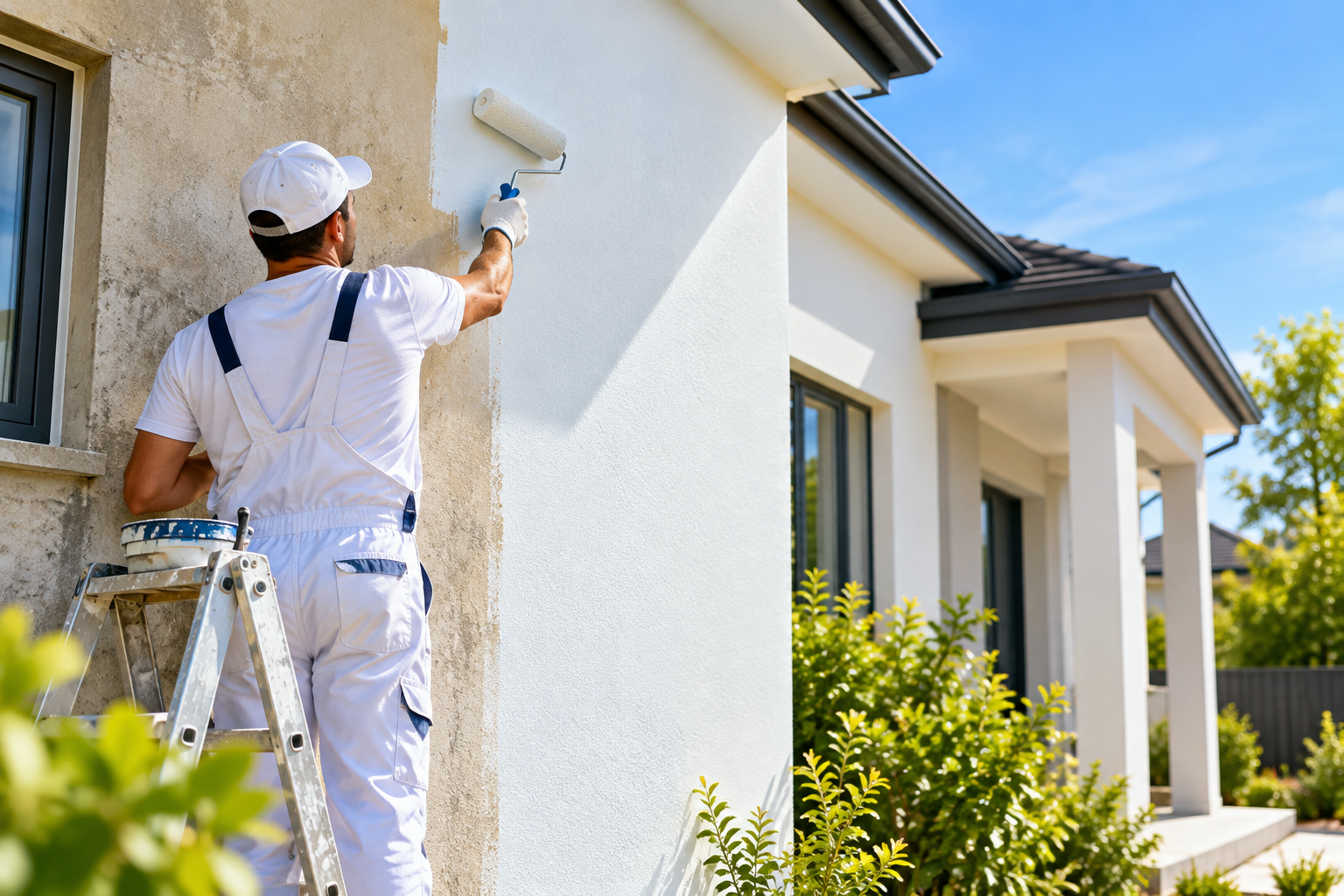
When people think about essential home services, they often think of plumbers, electricians, heating technicians, or other trades that deal with immediate repairs. That can make homeowners wonder: is a house painter an essential service?
The answer depends on what you mean by “essential.” Painting is not usually considered an emergency service in the same way as repairing a serious plumbing or electrical fault. However, professional painting can play an important role in maintaining a property, protecting surfaces, improving living spaces, and preparing a home for sale or rental.
In this guide, we’ll explain when painting becomes important, when you can reasonably postpone it, when hiring a professional makes sense, and what to consider when looking for house painters or painters near me.
Is a House Painter an Essential Service?
A house painter is generally not an essential service for most emergency situations, but painting can become an important part of property maintenance.
The difference comes down to urgency.
If your home has a minor scuff, an outdated colour, or a room you simply want to refresh, hiring a painter can normally wait. On the other hand, deteriorating paint can sometimes be a sign that exterior surfaces are no longer being adequately protected from weather and moisture.
Professional painting may be particularly important when:
- Exterior paint is peeling, cracking, or blistering.
- Bare timber or other exposed surfaces need protection.
- Water or moisture has damaged painted areas.
- A property needs to be prepared for sale or rental.
- A renovation requires walls and ceilings to be professionally finished.
- Large or difficult-to-access areas need painting.
- Previous paintwork has failed because of poor preparation.
- You need a consistent finish throughout a large property.
So, while painting isn't normally an emergency trade, it can be an important maintenance service when the condition of painted surfaces affects the property itself.
Why Does House Painting Matter?
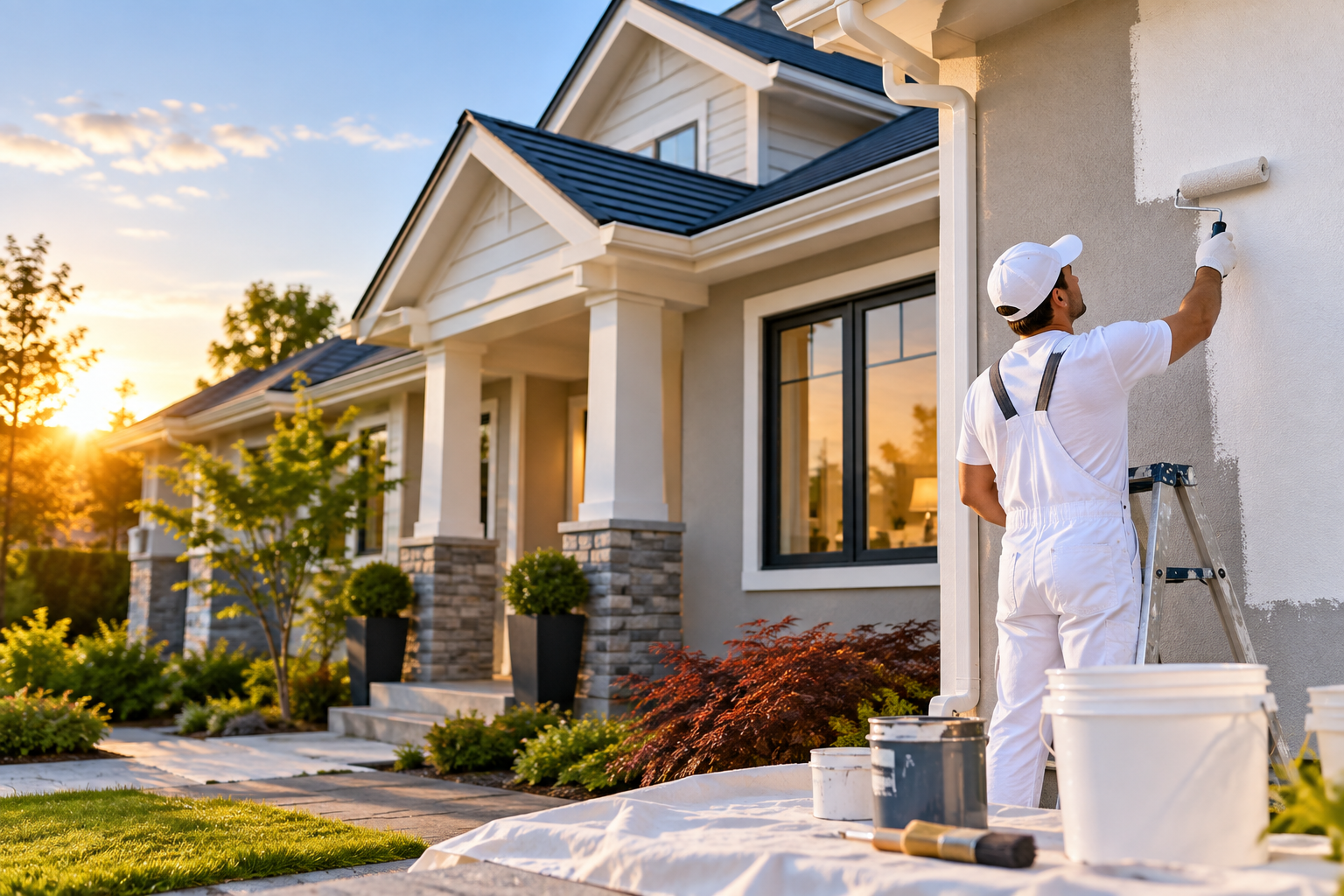
Paint does more than change the colour of a room.
On many surfaces, a properly prepared and applied coating helps provide a finished surface and can contribute to protecting building materials from everyday wear and environmental exposure.
1. Exterior surfaces need regular attention
Exterior walls, trim, doors, fences, and other painted surfaces are exposed to sunlight, rain, wind, temperature changes, and general weathering.
When exterior coatings begin to deteriorate, simply painting over the problem may not be enough. The surface may first need cleaning, scraping, sanding, repairs, priming, or other preparation.
Ignoring obvious deterioration for too long can turn a relatively straightforward maintenance project into a more involved one.
2. Interior paint affects the condition and appearance of rooms
Interior walls can accumulate marks, stains, scuffs, and general wear over time.
Painting can be useful when:
- Walls are heavily marked or damaged.
- A room has recently been renovated.
- You are changing the use of a room.
- Previous paintwork is badly deteriorated.
- You want a consistent finish after repairs.
Painting isn't always necessary just because a wall looks slightly dated. If the existing coating is sound and you're happy with it, repainting may simply be a cosmetic choice.
3. Good preparation matters
One of the biggest misunderstandings about painting is that the job is mainly about applying paint.
In reality, preparation can have a major effect on the final result. Depending on the surface, preparation might include cleaning, sanding, filling holes, repairing damaged areas, removing loose paint, masking, and priming.
Applying new paint over a dirty, damp, loose, or poorly prepared surface can lead to problems such as uneven coverage, peeling, or premature failure.
When Should You Hire a Professional Painter?
Not every painting project requires a professional. Small, straightforward interior jobs can sometimes be completed successfully by a homeowner who has the time, tools, and patience to do the preparation properly.
However, professional help can be worthwhile when the project is larger, more complicated, or difficult to complete safely.
Consider hiring a professional if:
The exterior needs extensive preparation
Exterior painting can involve ladders, elevated areas, weather conditions, surface repairs, and specialist preparation. A professional can assess the condition of the existing coating before work begins.
The property is large
Painting several rooms or an entire exterior can take considerably longer than painting a single bedroom. A professional team may be able to manage preparation, application, and clean-up more efficiently.
You need a consistent finish
Large visible surfaces can make uneven preparation or application particularly noticeable. Professionals have experience working with different surfaces, coatings, tools, and application techniques.
The surface has existing problems
If you notice widespread peeling, cracking, bubbling, staining, or suspected moisture damage, painting should not necessarily be the first step.
The underlying issue should be identified and addressed first.
Access is difficult
High walls, stairwells, ceilings, and other difficult-to-reach areas can make DIY painting more challenging. Safety should take priority over saving money on labour.
DIY Painting vs Hiring House Painters
The right choice depends on the size and complexity of the project.
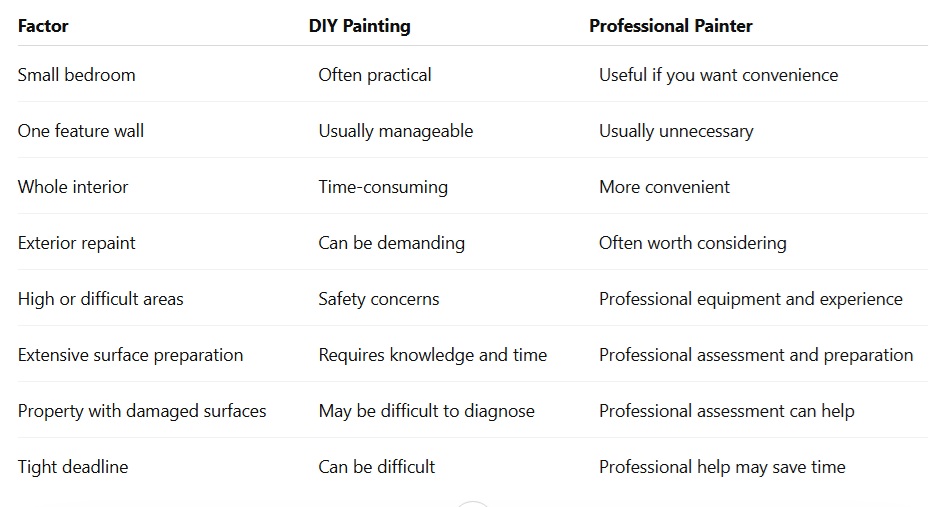
DIY painting can reduce labour costs, but the project still has costs for paint, brushes, rollers, preparation materials, protective equipment, and potentially access equipment.
The cheapest option on paper isn't always the cheapest overall if mistakes require the work to be redone.
How to Decide Whether Painting Is Urgent
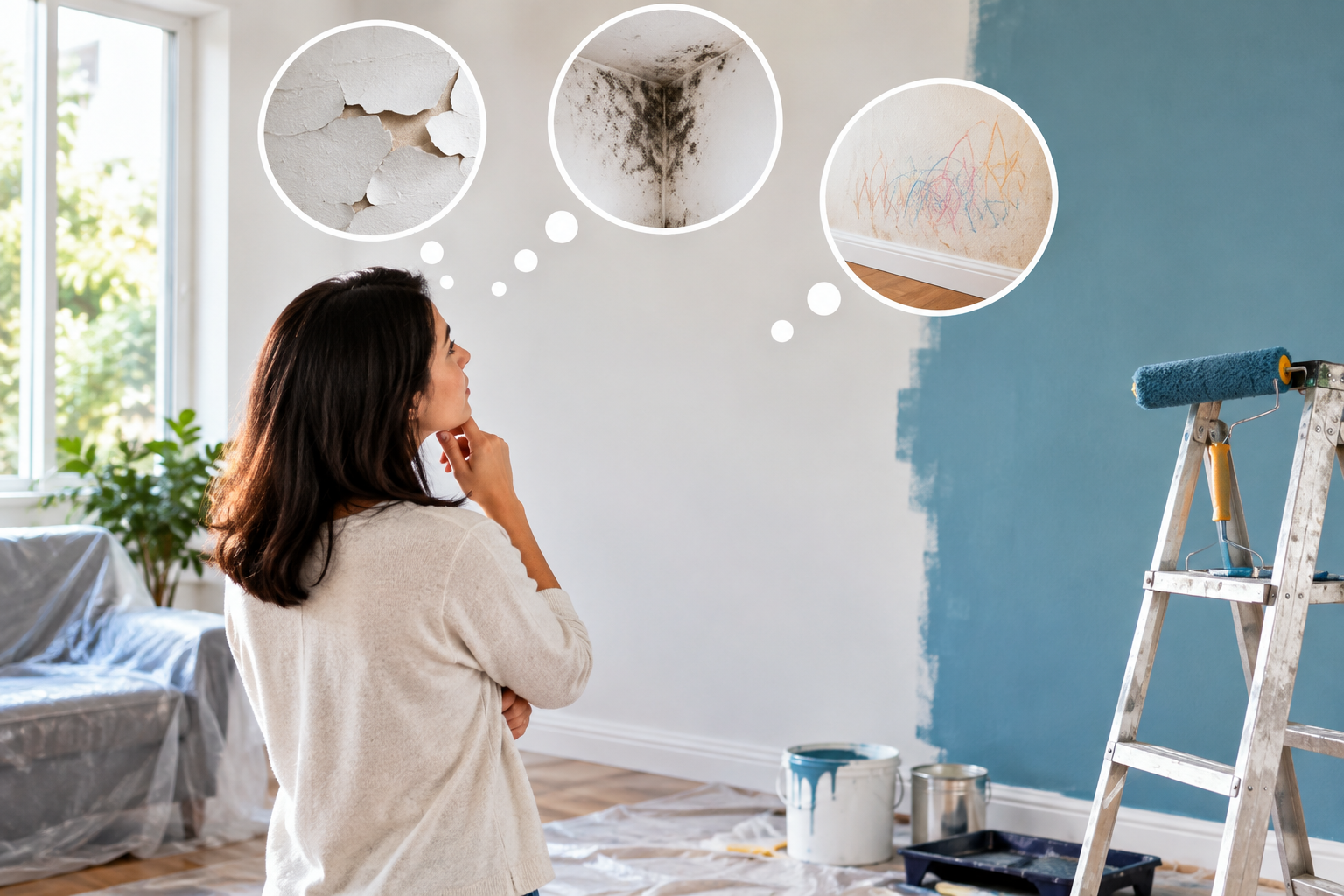
A simple inspection can help you determine how quickly you need to act.
Step 1: Inspect the surface
Look for:
- Peeling paint
- Cracks
- Blistering
- Flaking
- Exposed timber or substrate
- Stains
- Water marks
- Mould or persistent dampness
- Areas where the coating has separated from the surface
Step 2: Determine the likely cause
A damaged coating can have different causes.
For example, peeling paint might result from poor adhesion, moisture, incompatible coatings, inadequate preparation, or normal deterioration. Simply applying another coat may conceal the problem temporarily without fixing its cause.
Step 3: Consider the location
Exterior deterioration generally deserves closer attention than a minor interior scuff because exterior surfaces are continually exposed to weather.
Likewise, damage around bathrooms, kitchens, windows, roofs, or other areas exposed to moisture may warrant investigation before repainting.
Step 4: Decide whether the project is cosmetic or maintenance-related
Changing a colour is usually a cosmetic decision.
Repairing deteriorating exterior surfaces is more closely related to property maintenance.
Understanding the difference can help you set the right priority.
Common Mistakes Homeowners Make
Painting over peeling paint
Loose paint should generally be dealt with before applying a new coating. Painting directly over unstable material can produce an uneven or short-lived result.
Ignoring moisture problems
If moisture is entering a wall or affecting an exterior surface, painting alone may not solve the problem.
Find and address the source before repainting wherever appropriate.
Choosing paint based only on price
Paint products differ in their intended applications, finishes, durability, and other characteristics. The cheapest product isn't necessarily suitable for every surface.
Underestimating preparation
Preparation can take a significant portion of the overall project. Rushing this stage is a common reason DIY paint jobs don't look as expected.
Forgetting about access and safety
Painting ceilings, high walls, stairways, and exterior areas can involve awkward positions and elevated work. Don't take unnecessary risks simply to avoid hiring help.
Not checking what a painting quote includes
If you're comparing painters near me, don't compare prices alone.
Ask whether the quote includes:
- Surface preparation
- Repairs or filling
- Primer where required
- Number of coats
- Paint and materials
- Protection of floors and furniture
- Clean-up
- Access equipment
- Disposal of waste
- Any exclusions
Two quotes can look very different because they include different amounts of work.
What Should You Ask a House Painter?
Before hiring a painting contractor, ask practical questions that help you understand exactly what you're paying for.
- What preparation will the surfaces need?
- How many coats are included?
- What type of paint is being recommended and why?
- Does the price include materials?
- Are repairs included in the quote?
- How will furniture, floors, windows, and other areas be protected?
- How long is the estimated project duration?
- Are there any parts of the work that are excluded?
- How will unexpected surface problems be handled?
- What payment terms apply?
A good quote should give you enough information to understand the scope of work rather than simply presenting one unexplained total.
How to Find Reliable Painters Near Me
Searching for painters near me is a convenient starting point, but proximity alone doesn't tell you whether a contractor is suitable.
When comparing local painting professionals, look at:
Relevant experience
Ask whether they regularly handle the type of project you need, such as interior painting, exterior painting, older properties, renovations, or larger residential projects.
Clear communication
A contractor should be able to explain what needs to be done, what preparation is involved, and what the quoted price covers.
Written details
Whenever possible, get the scope of work and pricing in writing so both sides have a clear understanding of the project.
References or examples of previous work
Where available, examples of relevant completed projects can help you assess workmanship.
Appropriate insurance and local requirements
Requirements can vary depending on where you live and the nature of the work. Check applicable local rules and ask the contractor about relevant insurance or licensing requirements rather than assuming they are the same everywhere.
Problems That Should Be Investigated Before Painting
Painting can sometimes reveal a bigger property-maintenance issue.
For example:
Problem: Paint repeatedly bubbles or peels.Possible issue: Moisture or adhesion problems.What to do: Identify the underlying cause before repainting.
Problem: Dark stains keep returning.Possible issue: An ongoing leak, moisture problem, or another source of staining.What to do: Investigate the source rather than repeatedly covering the stain.
Problem: Exterior timber appears damaged.Possible issue: Deterioration that may require repair before painting.What to do: Have the affected material assessed and repaired as appropriate.
Problem: New paint looks uneven.Possible issue: Inadequate preparation, inconsistent application, surface variation, or unsuitable products.What to do: Identify the reason before applying additional coats.
The important lesson is simple: paint is not a substitute for repairing an underlying building problem.
When Painting Can Usually Wait
Painting doesn't automatically become urgent because a room looks old.
It may be reasonable to postpone painting when:
- The existing coating is stable.
- There is no significant moisture damage.
- There is no exposed or deteriorating substrate.
- The issue is purely cosmetic.
- You don't currently need to sell or rent the property.
- The space remains functional and safe.
In these situations, you can plan the work around your budget, schedule, and priorities.
When Painting Should Move Higher on Your Maintenance List
Consider giving painting greater priority when you notice:
- Extensive exterior peeling or cracking
- Exposed underlying materials
- Persistent moisture-related damage
- Deteriorating painted timber
- Large areas of failed coating
- Significant damage around windows, doors, or other exposed areas
- A renovation or property sale that requires the surfaces to be refreshed
If you're unsure whether damaged paint is purely cosmetic or connected to a wider problem, getting an appropriate professional assessment can be sensible.
Frequently Asked Questions
Is house painting considered an essential service?
Generally, house painting is not an emergency service in the same way as plumbing or electrical repairs. However, painting can be an important property-maintenance service when deteriorating coatings expose surfaces to weather or when significant surface damage needs attention.
Do I need a professional painter for one room?
Not necessarily. A homeowner can often handle a small, straightforward room if they have suitable equipment and enough time. Professional help may be worthwhile if the walls require extensive preparation, the finish needs to be particularly consistent, or you simply don't have the time.
How do I know if my exterior needs repainting?
Look for peeling, cracking, blistering, fading, exposed surfaces, or other visible deterioration. The condition of the underlying surface matters as much as the appearance of the paint.
Should I repair walls before painting?
Usually, yes. Holes, cracks, loose material, moisture problems, and other defects should generally be addressed before applying the final coating. The exact preparation depends on the surface and the problem.
Is hiring painters near me worth the cost?
It depends on the project. For a small room, DIY may be practical. For a large exterior, difficult access, extensive preparation, or a tight deadline, professional help may provide greater convenience and reduce the risk of avoidable mistakes.
What should a painting quote include?
A useful quote should clearly explain the work involved, preparation, coatings, number of coats where applicable, materials, access requirements, protection of surrounding areas, clean-up, and exclusions.
Can I paint over old paint?
Sometimes. If the existing coating is sound, clean, and suitable for the new coating, repainting may be possible. If the old paint is peeling, unstable, contaminated, or affected by moisture, additional preparation or repairs may be necessary first.
Is painting mainly cosmetic?
It can be, but not always. Interior colour changes are often cosmetic, while deteriorating exterior coatings can become a property-maintenance concern. The condition and location of the surface are important factors.
Conclusion
So, is a house painter an essential service? Not usually in the sense of an emergency service that you need immediately. But professional painting can become an important part of maintaining a property, particularly when exterior coatings are deteriorating or surfaces require significant preparation and repair.
The best approach is to look beyond the colour of the paint. Check the condition of the surface, identify any moisture or structural issues, consider the size and difficulty of the project, and decide whether DIY work is realistic.
If you decide to hire house painters, compare contractors based on the scope of work, preparation, materials, communication, and overall value—not simply the lowest quote. For larger or more complicated projects, a clear professional assessment can help you understand what needs to be done before the first coat of paint goes on.